

What to Expect During Your First Gynecology Appointment: A Complete Guide for First-Time Patients
Feeling nervous about your first gynecology appointment is completely normal. This guide explains what happens during your first visit, how to prepare, whether an examination is always necessary, and how Dr. Veenu Agarwal ensures every patient feels comfortable, respected, and well-informed throughout their women's healthcare journey.
What happens during your first gynecology appointment?
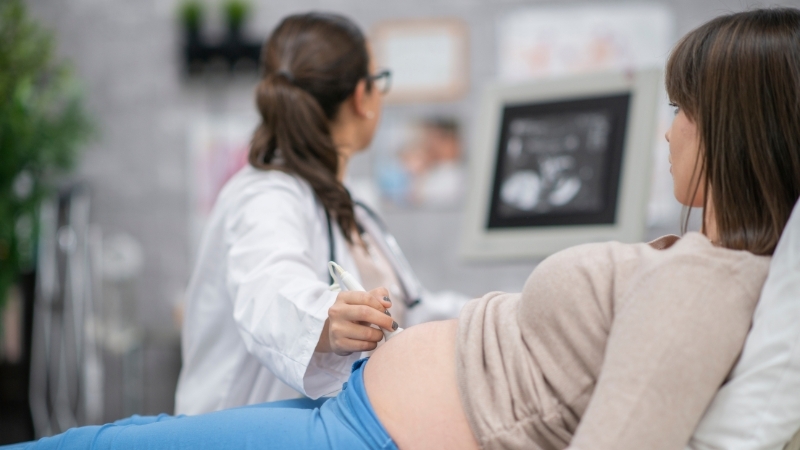
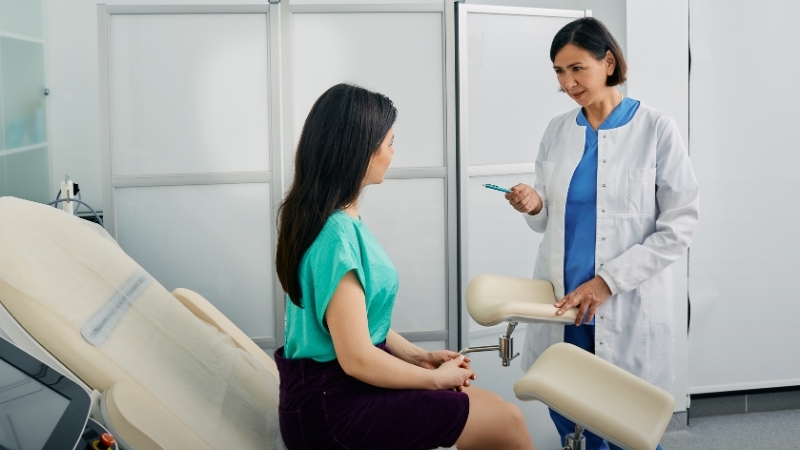
During your first gynecology appointment, your doctor will usually discuss your medical history, menstrual cycle, symptoms, lifestyle, medications, and any health concerns. Depending on your age, symptoms, and medical needs, a physical or pelvic examination may or may not be required. Most first visits focus on conversation, education, and creating a personalized healthcare plan.
What to Expect During Your First Gynecology Appointment
Visiting a gynecologist for the first time can feel overwhelming. Many women wonder, "Will it be painful?", "Will I need an examination?", or "What if I feel embarrassed?"
The good news is that these feelings are completely normal.
Your first gynecology appointment is not something to fear—it's an important step toward understanding and taking care of your health. Whether you're experiencing irregular periods, planning a pregnancy, dealing with PCOS, or simply coming for a routine women's health check-up, your gynecologist is there to listen, guide, and support you without judgment.
At Dr. Veenu Agarwal's Women's Clinic in Gurgaon, every consultation is conducted with compassion, privacy, and respect, ensuring that patients feel comfortable discussing even the most personal health concerns.
Why You Shouldn't Delay Your First Gynecology Visit
Many women postpone visiting a gynecologist because of fear, embarrassment, or uncertainty. However, regular gynecological care helps detect health concerns early and supports lifelong reproductive health.
You should consider scheduling your first appointment if you experience:
- Irregular or painful periods
- Heavy menstrual bleeding
- Severe pelvic pain
- Unusual vaginal discharge
- Pregnancy or pregnancy planning
- PCOS symptoms
- Fertility concerns
- Menopause-related symptoms
- Persistent itching or infections
- Questions about contraception or sexual health
Even if you don't have any symptoms, routine gynecological check-ups play an important role in preventive healthcare.
How to Prepare Before Your Appointment
Preparing for your appointment can help you feel more confident and ensure you get the most out of your consultation.
Before visiting your gynecologist, try to keep the following information ready:
- The first day of your last menstrual period
- Details about your menstrual cycle
- Current medications or supplements
- Previous medical reports or ultrasound reports
- Pregnancy history, if applicable
- Family history of gynecological conditions
- A list of questions or concerns you'd like to discuss
Remember, there are no "silly" questions when it comes to your health.
Still Have Questions?
Chat on WhatsAppWhat Happens During Your First Gynecology Appointment?
Every patient is different, but most first appointments follow a similar process.
1. A Friendly Conversation
Your doctor will begin by understanding why you've come for the appointment.
This is your opportunity to openly discuss:
- Period concerns
- Pain
- Pregnancy planning
- Fertility
- Hormonal changes
- Menopause symptoms
- General health questions
The consultation is confidential, and your doctor is there to help—not judge.
2. Medical History
Your gynecologist may ask questions about:
- Menstrual cycle
- Previous pregnancies
- Medical conditions
- Surgeries
- Allergies
- Medications
- Lifestyle habits
- Family medical history
These questions help create a complete picture of your health.
3. Discussion About Your Symptoms
If you're experiencing symptoms, your doctor will ask questions such as:
- When did the symptoms begin?
- How severe are they?
- Do they occur every month?
- Have they changed recently?
Being honest helps your doctor provide the most appropriate advice and treatment.
4. Physical Examination (If Needed)
One of the biggest misconceptions is that every first gynecology visit includes an internal examination.
This is not true.
In many cases, especially if you're visiting for general advice or menstrual concerns, a physical examination may not be necessary.
If an examination is recommended, your doctor will explain:
- Why it is needed
- What it involves
- How long it will take
- What you may experience
Your comfort, dignity, and consent are always respected.
5. Recommended Tests
Depending on your symptoms, your doctor may recommend investigations such as:
- Blood tests
- Pregnancy test
- Ultrasound scan
- Hormone tests
- Urine test
- Pap smear (when appropriate)
Not every patient requires tests during the first visit.
6. Personalized Treatment Plan
After understanding your health concerns, your doctor will explain:
- Possible diagnosis
- Treatment options
- Lifestyle changes
- Medicines (if required)
- Follow-up plan
You'll also have plenty of time to ask questions before leaving the clinic.
Will I Need an Internal Examination?
This is one of the most common concerns among first-time patients.
The answer is simple:
Not always.
Many first appointments involve only discussion and counselling. An internal or pelvic examination is recommended only when medically necessary and after explaining the procedure to you. Your comfort and consent remain the highest priority throughout the consultation.
Questions Your Gynecologist May Ask
To better understand your health, your doctor may ask about:
- When was your last period?
- Are your periods regular?
- Are they painful or heavy?
- Are you sexually active?
- Are you planning a pregnancy?
- Have you noticed unusual discharge?
- Do you have pelvic pain?
- Are you taking any medications?
These questions are routine and help your doctor recommend the best care.
Questions You Should Ask Your Gynecologist
Your appointment is also your opportunity to learn more about your health.
You may want to ask:
- Is my menstrual cycle normal?
- What lifestyle changes would benefit my health?
- Do I need any vaccinations?
- Should I have any screening tests?
- How can I improve my fertility?
- Are my symptoms related to PCOS?
- When should I return for a follow-up?
Never hesitate to ask questions. Understanding your health empowers you to make informed decisions.
Tips to Feel More Comfortable During Your Visit
If you're feeling anxious, these simple tips may help:
- Choose comfortable clothing.
- Arrive a little early.
- Bring previous reports if available.
- Write down your questions beforehand.
- Take a trusted family member or friend if it helps you feel more relaxed.
- Remember that gynecologists discuss these concerns every day—they are trained professionals who prioritize your comfort and privacy.
Why Choosing the Right Gynecologist Matters
A gynecologist is someone you may consult through many stages of life—from adolescence and pregnancy to menopause and beyond.
Choosing an experienced and compassionate doctor can make a significant difference in your healthcare journey.
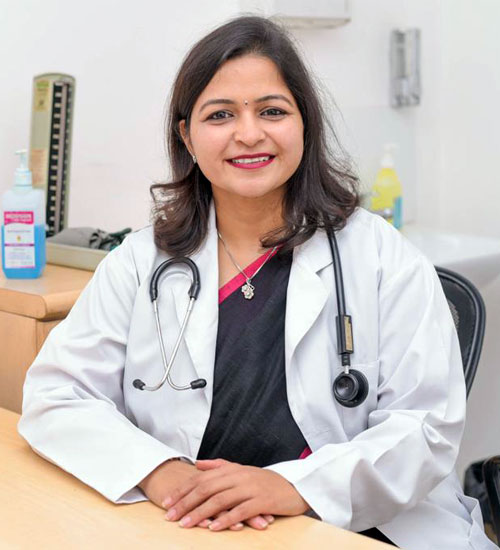
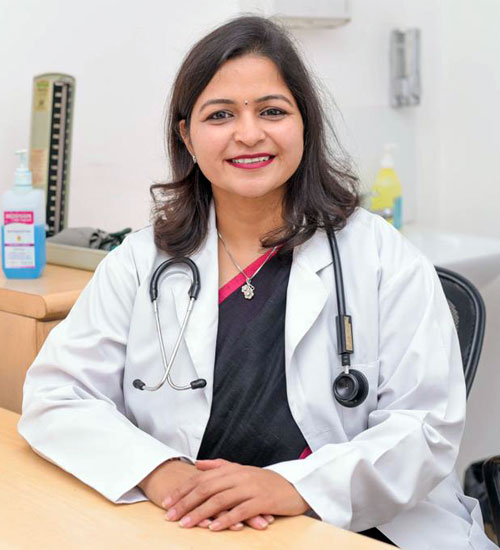
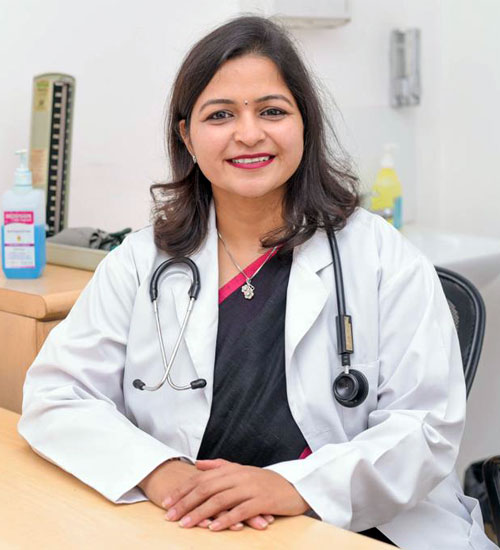
Dr. Veenu Agarwal, Senior Consultant Obstetrician & Gynecologist in Gurgaon, is dedicated to providing personalized women's healthcare with empathy, respect, and evidence-based medical care. Whether you need guidance for pregnancy, menstrual concerns, PCOS, infertility, menopause, or preventive health check-ups, every consultation is focused on helping you make confident decisions about your health.
Related Women's Healthcare Services
If you're visiting for a specific concern, you may also find these services helpful:
- Pregnancy Care
- PCOS & Hormonal Health
- High-Risk Pregnancy Management
- Infertility Consultation
- Menopause Care
- Laparoscopic Gynecological Surgery
- Hysteroscopy
- Women's Preventive Health Check-ups
When Should You Book an Appointment Immediately?
Seek medical attention promptly if you experience:
- Heavy vaginal bleeding
- Severe pelvic or abdominal pain
- Missed periods with a positive pregnancy test
- Persistent abnormal vaginal discharge
- Severe menstrual pain
- Unexplained lumps or swelling
- Symptoms of urinary or vaginal infections
- Concerns about fertility or pregnancy
Early evaluation can often prevent more serious health complications.
Final Thoughts
Your first gynecology appointment is an important step toward understanding and protecting your health. Feeling nervous is completely natural, but there's nothing to be embarrassed about. A gynecologist's role is to provide expert guidance, answer your questions, and support you with compassionate, confidential care. Whether you're visiting for a routine check-up, menstrual concerns, pregnancy planning, or any other women's health issue, remember that seeking medical advice is a sign of self-care not something to postpone. If you're looking for compassionate and personalized women's healthcare in Gurgaon, schedule a consultation with Dr. Veenu Agarwal and take the first step toward better health with confidence.